

A custom metal housing needs to do more than match an exterior shape. Depending on the product, it may need to protect internal components, provide structural support, dissipate heat, meet assembly tolerances, and deliver a consistent surface appearance. These requirements make manufacturing-process selection an important part of product development.
For OEM buyers, the challenge is connecting design requirements with the right material and production method before tooling or mass production begins. This guide explains the main stages of custom metal housing manufacturing and the factors to evaluate when selecting a manufacturing partner.
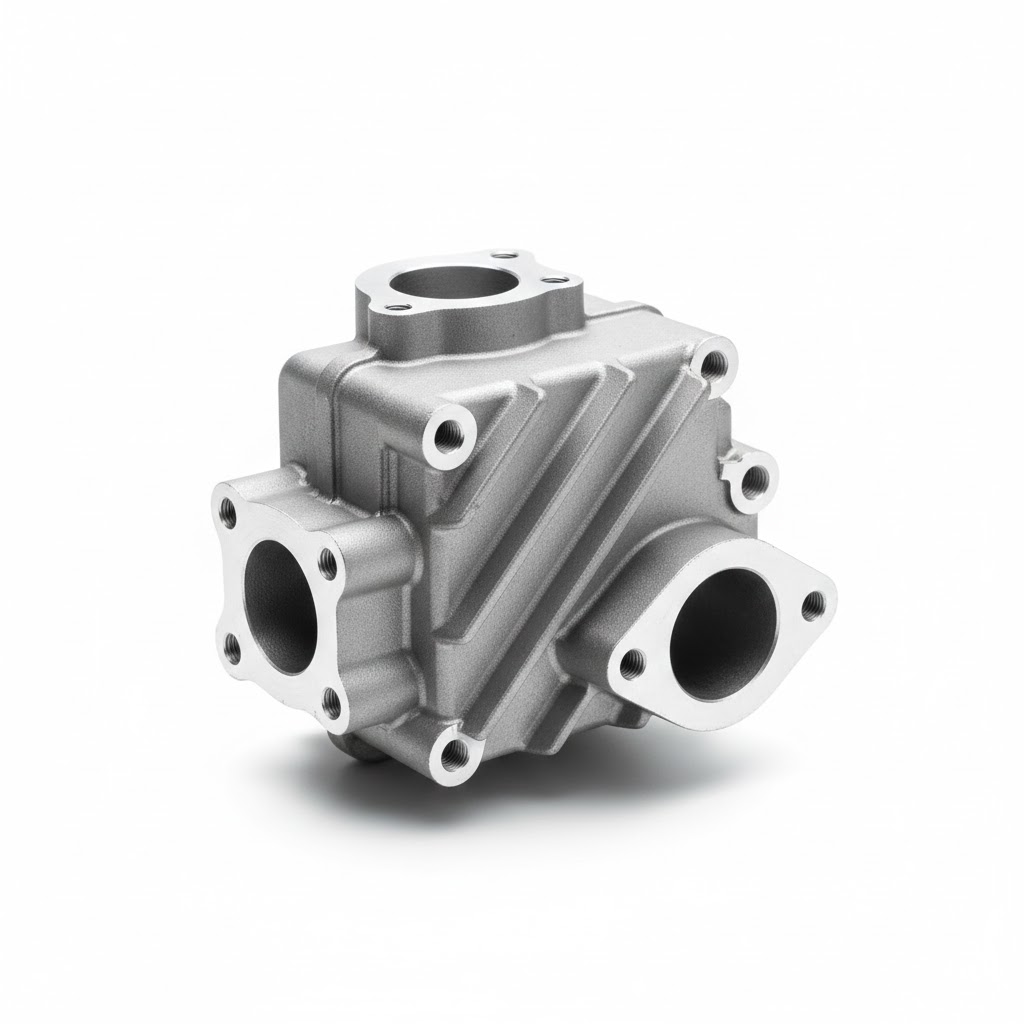
The manufacturing route for a custom metal housing should be determined by the product’s geometry, material, quantity, tolerance, appearance, and mechanical requirements. Although individual projects vary, OEM development can generally be divided into three planning stages: design evaluation, process selection, and lead-time management.
Before tooling or production begins, the manufacturer should review the customer’s 2D drawings, 3D models, material requirements, tolerances, and assembly conditions through a design-for-manufacturing evaluation.
For die-cast housings, this review may include wall thickness, draft angles, rib design, parting lines, machining allowance, and locations where metal flow or cooling could create casting risks. Features with abrupt wall-thickness changes, for example, may be more difficult to fill and cool consistently. Potential porosity, shrinkage, deformation, or assembly interference is easier to address at the drawing stage than after tooling has already been completed.
The same principle applies to other processes. A stamped housing requires appropriate bend radii and forming geometry, while a CNC-machined enclosure should be reviewed for tool access, fixturing, and unnecessary material removal. A forged component needs geometry that can be formed and released from the dies while maintaining the required structural characteristics.
Early design evaluation helps identify potential conflicts between design requirements and manufacturing constraints before tooling begins. Addressing these issues at the drawing stage can reduce production risks while preserving the product's intended function and appearance.
There is no single manufacturing method that is appropriate for every custom metal housing. The process should be selected according to geometry, volume, mechanical requirements, tooling budget, and dimensional needs.
Aluminum, zinc, or magnesium alloy die casting is commonly considered for housings with relatively complex geometry and medium-to-high production quantities. A die can form ribs, bosses, mounting structures, and other features close to the final shape, leaving only critical surfaces for secondary machining.
Forging is often selected for components that require high mechanical strength and load-bearing capacity. The process shapes metal through plastic deformation under compressive force and is generally more suitable for structural parts than thin decorative housings.
Metal stamping is suitable for sheet-metal enclosures, covers, brackets, and panels. It can support efficient volume production when the design can be formed from sheet material through cutting, bending, drawing, or related operations.
CNC machining offers a different advantage. Because the component is machined directly from stock, it avoids dedicated forming tooling and is therefore useful for prototypes, smaller quantities, complex precision features, or products that require tighter tolerances. It can also complement casting, forging, or stamping by finishing critical dimensions after the main shape has been formed.
OEM projects may combine several of these methods rather than relying on one process alone. For a broader overview of available production routes, buyers can review QANYU Industrial’s manufacturing capabilities here.
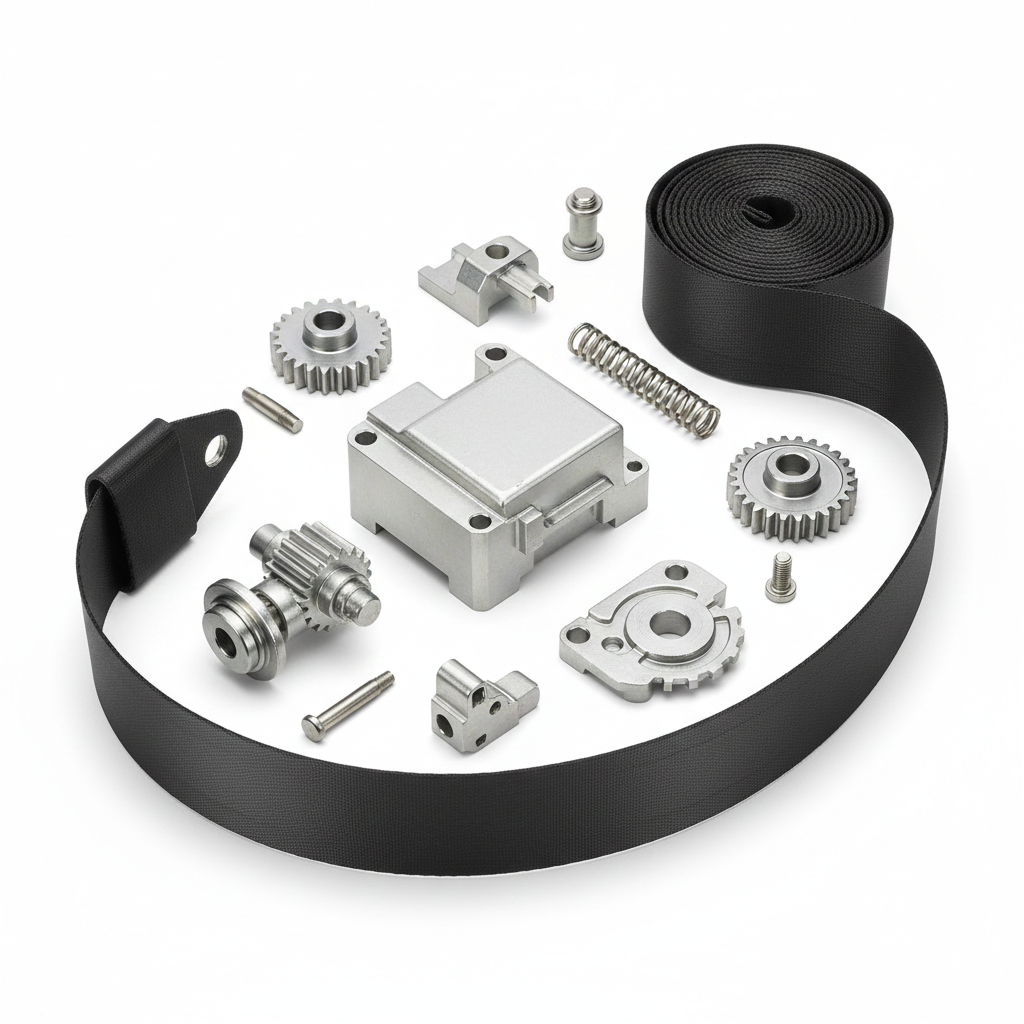
The lead time for a custom metal housing depends on more than machine cycle time. Tooling development, prototype approval, material sourcing, machining complexity, finishing, inspection, and production capacity all contribute to the overall schedule.
Tool-dependent processes such as die casting, forging, and stamping typically require more preparation before the first production parts are available. Once the tooling has been validated, however, they can become more practical for repeat production. CNC machining usually requires less dedicated tooling but may involve longer per-part machining time.
Process handoffs are another factor. If casting, machining, finishing, inspection, and assembly are managed by several unrelated suppliers, each transfer introduces scheduling and communication requirements. A dimensional problem discovered after surface treatment, for example, may need to be traced back through several companies before the cause can be identified.
A one-stop manufacturer that coordinates these stages within one production system can reduce unnecessary handoffs and provide a clearer point of responsibility. This does not automatically guarantee a shorter lead time, since capacity and project complexity still matter, but it can simplify scheduling and reduce the coordination required from the OEM customer.
Choosing a manufacturer should involve more than comparing quotations. The supplier needs to understand how material, forming method, machining, inspection, and finishing interact across the complete product. Three areas are particularly useful when screening potential OEM partners.
Material selection influences weight, strength, corrosion behavior, thermal characteristics, finishing options, and manufacturing cost. A capable supplier should be able to explain how these factors relate to the product rather than recommending one alloy for every project.
Aluminum alloys are widely used for custom metal housing applications because they offer relatively low density, useful thermal conductivity, corrosion resistance, and compatibility with several casting and machining processes. They are commonly considered for electronics, lighting equipment, industrial housings, and products where weight and heat transfer are relevant.
Zinc alloys provide good castability and dimensional stability and can reproduce detailed features effectively. They may be useful for smaller housings or hardware components where fine geometry and surface quality are important. Because zinc is denser than aluminum or magnesium, weight should be considered when the enclosure is intended for portable equipment.
Magnesium alloys offer particularly low density and can be considered when lightweight construction is a major requirement. Their manufacturing, corrosion protection, and finishing requirements differ from those of aluminum, however, so the supplier should have relevant material and process experience.
The right decision therefore depends on the housing rather than a universal material ranking. OEM buyers should provide information about mechanical loading, target weight, thermal requirements, environment, surface finish, and production volume so that material selection can be evaluated within the full application.
Tolerance requirements should be established according to function. Applying very tight tolerances to every dimension can increase machining and inspection requirements without improving the finished product, while insufficient control of a critical interface can create assembly problems.
Forming processes such as casting, forging, and stamping each have their own achievable dimensional ranges. Where a housing contains critical mounting surfaces, connector openings, bearing positions, screw holes, or tightly controlled mating interfaces, CNC machining can be used as a secondary process to bring these features to the required dimensions.
When evaluating a manufacturer, buyers should therefore ask which tolerances can be maintained in the primary forming process and which dimensions require secondary machining. They should also confirm how the part will be located during machining, because datum selection and fixture design influence repeatability.
For complex custom metal housing projects, it is often more practical to identify a limited set of critical dimensions and control those carefully rather than applying the same tolerance level to every feature.
Quality certification provides one indication of whether a manufacturer has established documented management procedures. ISO 9001 is commonly used for quality-management systems, while ISO 14001 addresses environmental-management systems. Certifications alone do not determine whether a specific part will meet requirements, but they can form part of a broader supplier evaluation.
Inspection capability is equally important. A coordinate measuring machine can verify three-dimensional relationships, datums, geometric tolerances, and machined interfaces, while a vision measuring system can support non-contact measurement of smaller or more detailed features.
The appropriate inspection method should match the part. A simple stamped cover may not require the same measurement plan as a precision-machined die-cast enclosure with multiple mating surfaces.
OEM buyers should therefore ask how first articles are approved, which dimensions are checked during production, how inspection results are recorded, and how an abnormal batch can be traced. These questions provide a clearer picture of day-to-day quality control than a certification logo alone.
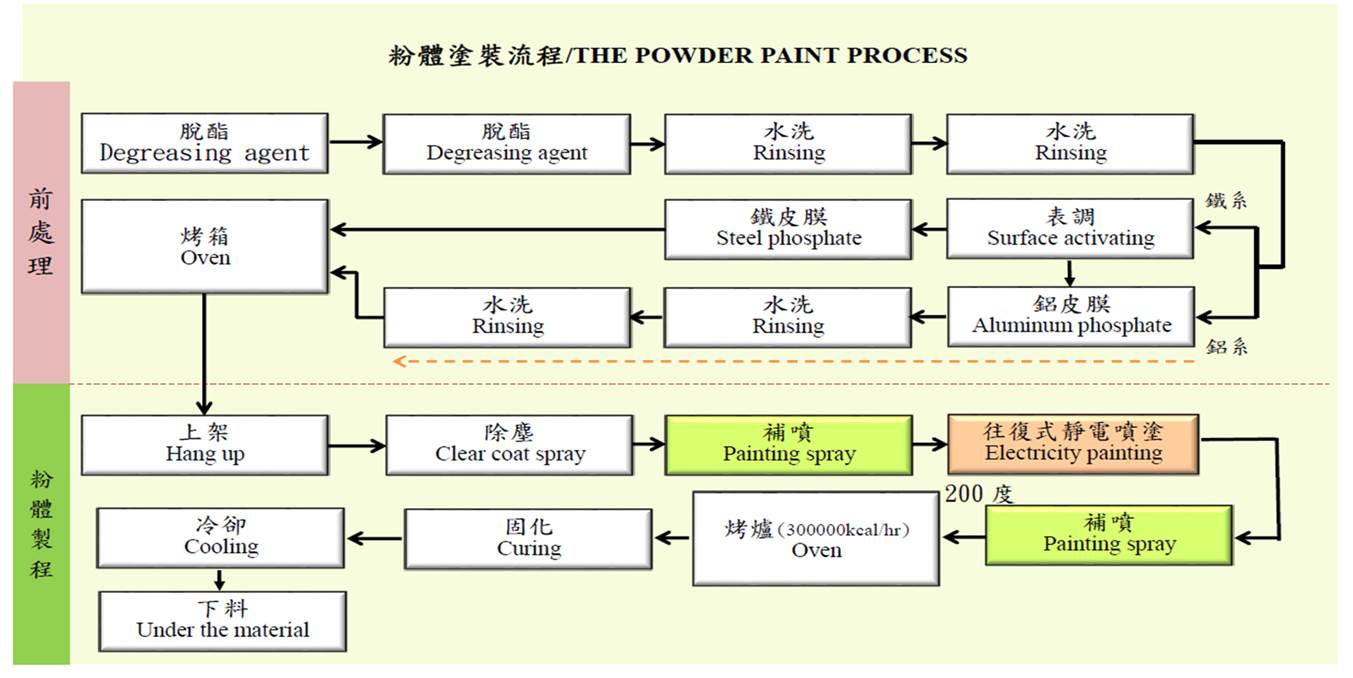
A custom metal housing often moves through several manufacturing stages before it becomes ready for assembly. A die-cast blank may require CNC machining, surface treatment, hardware installation, inspection, and packaging. A stamped enclosure may follow a different route but still involve forming, welding, finishing, and quality control.
When these processes are planned separately, decisions made at one stage can create difficulties at another. A casting datum that is unsuitable for machining may complicate fixturing, while a surface finish selected late in development may be incompatible with the chosen alloy or surface condition.
An integrated manufacturing partner can review these dependencies earlier. Tooling engineers, machinists, finishing teams, and quality personnel can work from the same product requirements, making it easier to identify potential conflicts before volume production.
For the OEM customer, the practical benefit is simpler project management. Fewer supplier interfaces mean fewer drawing revisions to distribute, fewer schedules to coordinate, and a clearer path for investigating dimensional or cosmetic issues. This becomes particularly valuable when a product moves from prototype validation into repeat production.
Custom metal housing manufacturing begins with more than selecting a metal or production machine. Design manufacturability, process selection, material properties, tolerances, finishing, inspection, and lead-time planning all influence whether a housing can move efficiently from drawing to repeat production.
At QANYU Industrial, we support OEM projects through multiple manufacturing processes, including alloy die casting, zinc die casting, forging, metal stamping, CNC machining, surface treatment, assembly, and inspection. This allows us to review custom metal housing requirements across several manufacturing stages and recommend a process route according to the product’s geometry, material, tolerance, volume, and finishing needs.
If you are developing a custom metal housing and would like to discuss manufacturability, process selection, or OEM production requirements, contact us today.